
Reasons for Low Water Pressure in Your House
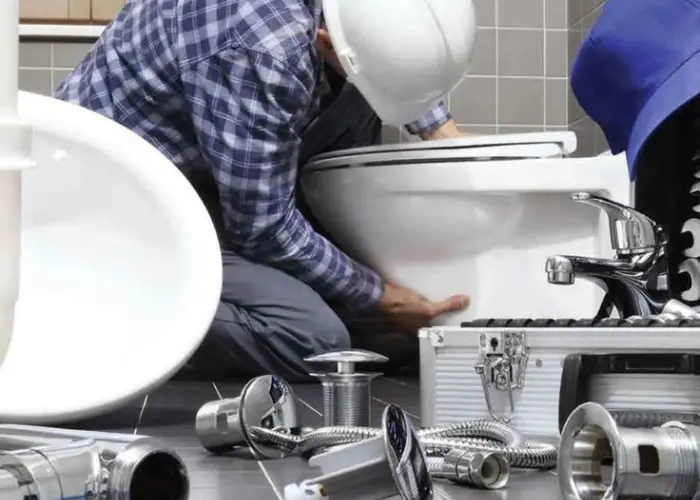
If the pressure of water within your home suddenly decreases and it is a source of frustration. There could be a lack of water flow through your faucets or have a different shower experience. If you’ve ever wondered, “Why is my water pressure low?” you’re not the only one. A lot of homeowners have low pressure issues with their water at the time. It’s good to know that most of the reasons are easy to determine and treat. Before we dive into the solution we’ll explore deeper into understanding the root of the low water pressure inside your home.
Identifying Low Water Pressure Problems
Before you begin troubleshooting the issue, you must identify exactly the source of low pressure originating from. Does it affect just one faucet? Perhaps the complete home experiencing pressure drops? Does the issue persist or does it shift during the day?
If you’re experiencing lower pressure on water in just one faucet, then the problem may be specific to that faucet. If the lower water pressure is affecting the entire home, you’re probably having a larger issue that is related to the plumbing system or your water supply.
Common Causes of Low Water Pressure in Your House and Solutions
Clogged Water Pipes
Problem:
One of the main reasons for low pressure is blocked pipes. Over time the mineral deposit, rust or even sediment may build up inside pipes, which can restrict the flow of water. The hard water, particularly is problematic as it can leave behind magnesium and calcium deposits that slowly impair the pipes, and reduce the flow of water.
Solution:
Pipe Cleaning Pipe Cleaning: If your pipes have become blocked due to the buildup of minerals it is possible to clean the pipes with chemical descalers and pipe cleaners specifically designed to get rid of the buildup of sediment. You could also try flushing out the pipes using a mix of water and vinegar.
Installing a Water Softener: In the event that hard water is the problem Installing a water softener can help decrease the mineral deposits within your pipes. A water softener will prevent the formation of the formation of new deposits and prolong the life of your plumbing system.
The Pipe is Replaced: For extreme situations, particularly those involving the older pipes you might require replacing the affected sections of the piping. Consult a plumber to evaluate the situation and suggest the best option.
Corroded Pipes
Problem:
When homes get older, particularly ones built prior to the 1980s, pipes are susceptible to corroding due to the substances used, including galvanized steel. Corrosion enlarges the inside of the pipes, which limits the flow of water and decreasing pressure.
Solution:
- Replacing Pipes: the best solution to repair corroded pipes can be to repair them. Replacing galvanized pipes by new copper, or modern PVC pipes will improve water flow and will prevent further corrosion.
- Conducting a pipe inspection: if there’s a question about that your pipe is corroded the plumber will conduct an inspection with cameras to assess the condition of the plumbing. Removing small portions of pipe might suffice in the event that only a small portion of the system has been damaged.
Failing Pressure Regulator
Problem:
A pressure regulator accountable for controlling the pressure of water entering your home. If the device fails this can lead to an insufficient water pressure across the home. This problem is more prevalent in areas that have inconsistency in water pressure in the municipal system.
Solution:
- Replace the pressure regulator If you think that the pressure regulator is not working and you need replacement. A licensed plumber will install a brand new regulator to restore the same water pressure.
- Examine the water pressure to determine whether the regulator responsible for the pressure is causing the issue You can employ a pressure gauge check the pressure of water from an outdoor faucet. If the reading for pressure is low, then the regulator is probably at fault.
4. Leaking Water Pipes
Problem:
Water leaks can be found in a variety of areas of the plumbing. Leaks in pipes let water escape prior to reaching the faucets or appliances and cause a drastic diminution in pressure. Find the presence of mold or damp spots on your ceilings or walls that are typical signs of leaky pipes.
Solution:
- Find and fix leaks The first step is to find the plumbing leaks. There may be a need for the assistance of a plumber for an extensive inspection using modern leak detection techniques like thermal imaging or pressure tests.
- Pipe Replacement When the leak is located in the older part of pipe it is possible that replacement is required. The temporary fixes, like patching the pipe, can be able to provide temporary relief, but long-term solutions include replacement of the pipes damaged.
Using Too Many Water-Using Appliances at Once
Problem:
When several water-using appliances such as the washing machine, dishwasher or shower, are in operation simultaneously, they can put stress on the plumbing system and result in the water pressure to drop. This is usually the case because the pipes within the house aren’t adequate to accommodate multiple demands for water simultaneously.
Solution:
- The water usage of a person can be stifled. Avoid having multiple water-using devices running simultaneously. For instance, you shouldn’t run the dishwasher while taking a bath or washing laundry.
- Upgrade your plumbing If your house has many appliances and water fixtures it is possible to upgrade your plumbing system so that it is able to take on the weight. Plumbers can install bigger pipes or branch lines in order to enhance the flow of water and increase pressure.
Main Valve Is Partially Closed
Problem:
A main valve for water controls how much water flows through your home. When the valve on your main water supply, or the valve for water meters are partially shut, it could restrict your water supply through the entire home, which can lead to a low pressure in the water.
Solution:
- Check and open the Valves The easiest solution is to determine if the main valve as well as the water meters are both open. If not, then open them cautiously.
- Get a plumber to help you if you notice that the valves appear stuck or you are unable to fully unlock them, it might require a professional plumber check and fix or replace the valves.
Water Meter Valve Isn’t Fully Open
Problem:
If the valve for water meters isn’t completely open the water flow to your home could be limited. In some instances, this valve could be partially shut during installation or maintenance and affecting the water pressure.
Solution:
- Adjust the Valve Then, check the valve for water and ensure that it is open. You can perform this yourself if you’ve got an access point to the valve. If you’re not sure, contact an experienced plumber to examine the valve, and then make needed adjustments.
Faulty Plumbing Fixtures
Problem:
Sometimes, the issue is in the plumbing fixtures. A showerhead, faucet or valve may impede water flow, even when the pipe is in good working order. The most common causes are clogged Aerators, damaged seals and worn out valves.
- Clean or replace fixtures Cleaning the faucet aerators and showerheads frequently to avoid mineral build-up from blocking the flow of water. When the fixtures are older or damaged it might require replacing.
Solution:
- Examine the Valves If the problem is with the valves, you might need to replace them or repair them. A plumber can determine the problem and recommend the best solution.
Water Supply Issues
Problem:
In certain instances it could be that the problem lies in your municipal water system. If there’s a problem or problem with the water supply lines because of work on the road, or maintenance or weather conditions the pressure of your water supply could be temporarily decreased.
Solution:
- Call the Water Supplier If you suspect that there is a problem in the supply of water call your local water company. They will provide you with updates and notify you of any maintenance issues or problems that affect the pressure of water.
- Make use of a pressure booster: If the issue persists think about installing a pressure booster pump in order to ensure that you have enough pressure within your home
Shared Water Lines
Problem:
In multi-family houses or houses in which water lines are shared the use of water by multiple households simultaneously can result in a decrease in pressure. The shared lines might not be able to handle the demand for water from multiple homes.
Solution:
- Install separate Water Lines: If you reside in a multi-family house installing line of water for every unit will assist in ensuring consistent water pressure for all the residents.
- Pressure Regulators The installation of pressure regulators in each unit can help to maintain the proper pressure of water.
Branch Lines Are Too Small
Problem:
In older properties branches could be insufficient to cope with the modern demands for water. This problem is more frequent in older homes constructed with inadequate plumbing intended to use fewer water fixtures or appliances.
Solution:
- Change Branch Lines to Upgrade: In the event that the home has a few branch lines upgrade pipe diameters to bigger ones will boost the flow of water and pressure. A plumber will assess the plumbing system in your home and suggest the replacement of pipes.
When to Call a Professional
Although some of the problems that cause low pressure simple fixes, other issues might require the skills of plumbers. If you’ve tried the most basic solutions, such as inspecting the valves, and the issue persists then it’s time to contact an expert.
Plumbers can assist in diagnosing difficult plumbing problems like leaks in pipes and pressure regulator malfunctions or even more serious blockages. If the problem is widespread throughout your house, it’s important to take action sooner instead of later to avoid any further harm or inconvenience.
Conclusion
Recognizing the reasons for low pressure water at home will be the initial step towards finding the cause. It doesn’t matter if it’s as simple as a valve that is partially closed or a more intricate issue like clogged pipes, or an ineffective pressure regulator, finding the root cause can assist you in choosing the most effective option. While some issues can be solved with DIY fixes, other issues will require an expert plumber. Take action now to repair the water pressure and ensure that your plumbing system is operating smoothly.

